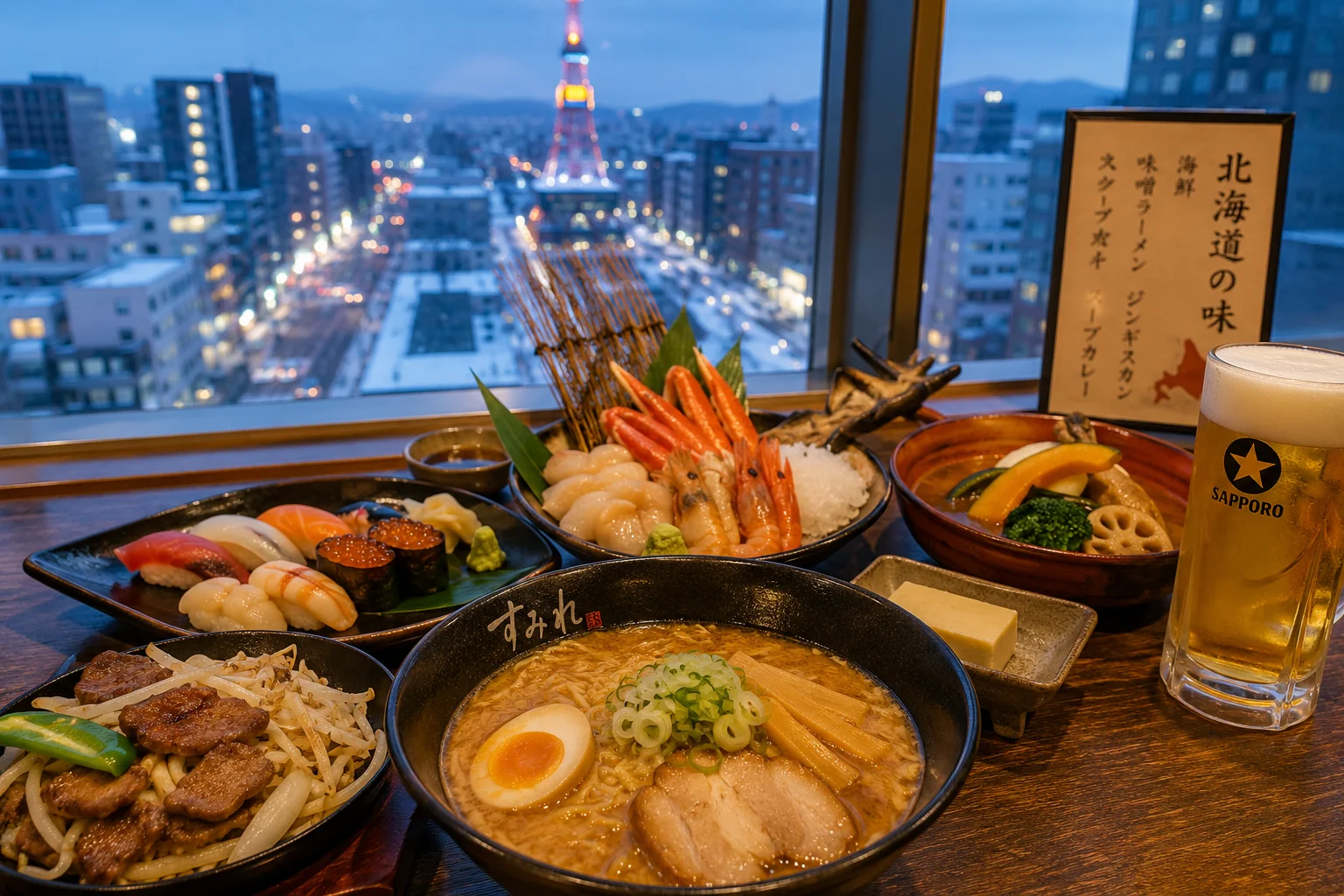
Sapporo offers travelers much more than a chance to sample famous Japanese dishes. As the capital of Hokkaido, the city has developed a distinctive culinary identity shaped by local ingredients, seasonal traditions, Japanese hospitality, and influences from different parts of the island. For visitors, dining becomes an important part of discovering what makes northern Japan different from other regions.
A memorable meal in Sapporo can take many forms. It might be a casual bowl of ramen after a day of sightseeing, a seafood-focused dinner featuring ingredients from Hokkaido’s surrounding waters, or a carefully prepared seasonal meal in an elegant setting. The variety means travelers can experience a different side of the city each time they sit down to eat.
Understanding the different types of dining experiences available can help visitors plan a more interesting culinary journey rather than simply checking individual dishes off a list.
Why Sapporo Is an Interesting Dining Destination
Sapporo benefits from Hokkaido’s extraordinary agricultural and marine resources. The island produces a wide range of vegetables, dairy products, meat, and seafood, giving local chefs access to ingredients that are both diverse and highly seasonal.
Hokkaido Ingredients Shape the Local Dining Scene
Fresh ingredients are central to the identity of Sapporo’s food culture. Seafood from surrounding waters, vegetables grown throughout Hokkaido, dairy products, and locally produced meat all appear in restaurants across the city.
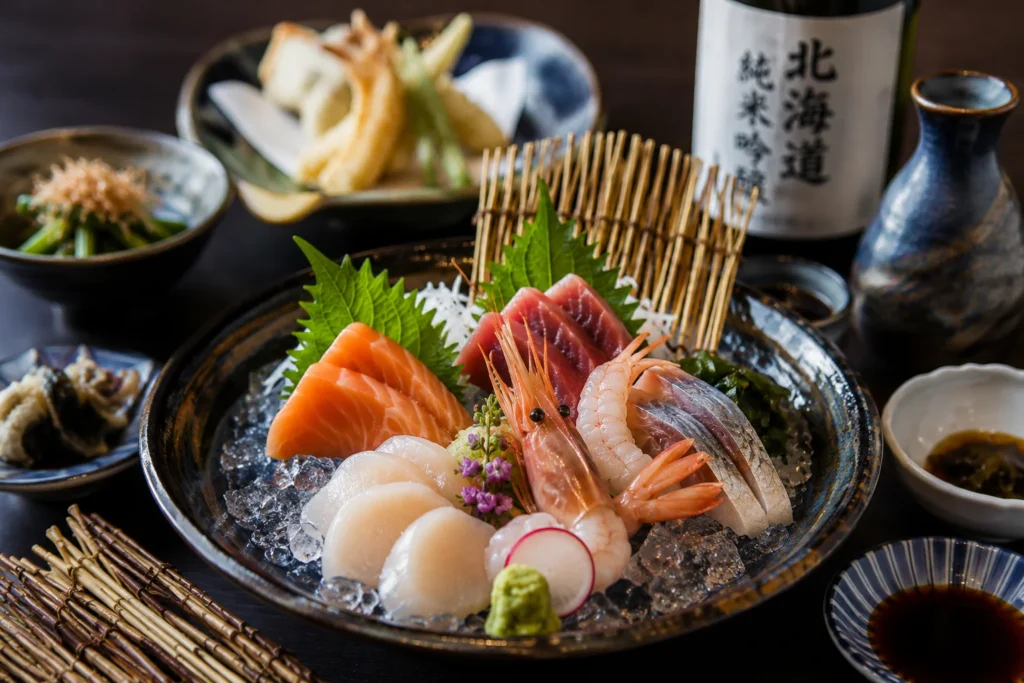
The same ingredient can also be presented in very different ways. Seafood might appear as sushi, sashimi, grilled dishes, rice bowls, or part of a multi-course meal. This variety allows visitors to experience the character of Hokkaido through different culinary techniques.
Local sourcing also means that menus can change throughout the year. A restaurant visited during winter may offer a very different selection from one visited during summer, making seasonality an important part of the experience.
The City’s Dining Culture Blends Tradition and Modernity
Sapporo has preserved many traditional elements of Japanese dining while developing a modern culinary scene. Visitors can find intimate traditional establishments alongside contemporary restaurants with modern interiors and innovative menus.
This mixture makes the city appealing to different types of travelers. Someone interested in Japanese culinary traditions can seek out classic dishes and dining styles, while travelers looking for contemporary interpretations can explore modern menus featuring familiar Hokkaido ingredients.
Understanding Japanese Dining Culture in Sapporo
Food is closely connected to social interaction and hospitality in Japan. Dining in Sapporo can therefore provide insights into local customs that go beyond the food itself.
Hospitality Is Part of the Experience
Japanese hospitality, often associated with the concept of omotenashi, places considerable emphasis on anticipating guests’ needs and creating a comfortable environment. This can be seen in the presentation of dishes, attentive service, and thoughtful details throughout a meal.
In more traditional establishments, the experience may feel deliberately calm and structured. In casual restaurants, hospitality can be expressed in simpler ways, such as friendly service and careful preparation.
Understanding this approach can make dining more enjoyable for international visitors because it encourages travelers to appreciate the atmosphere and service as part of the overall experience.
Sharing Food Can Make a Meal More Social
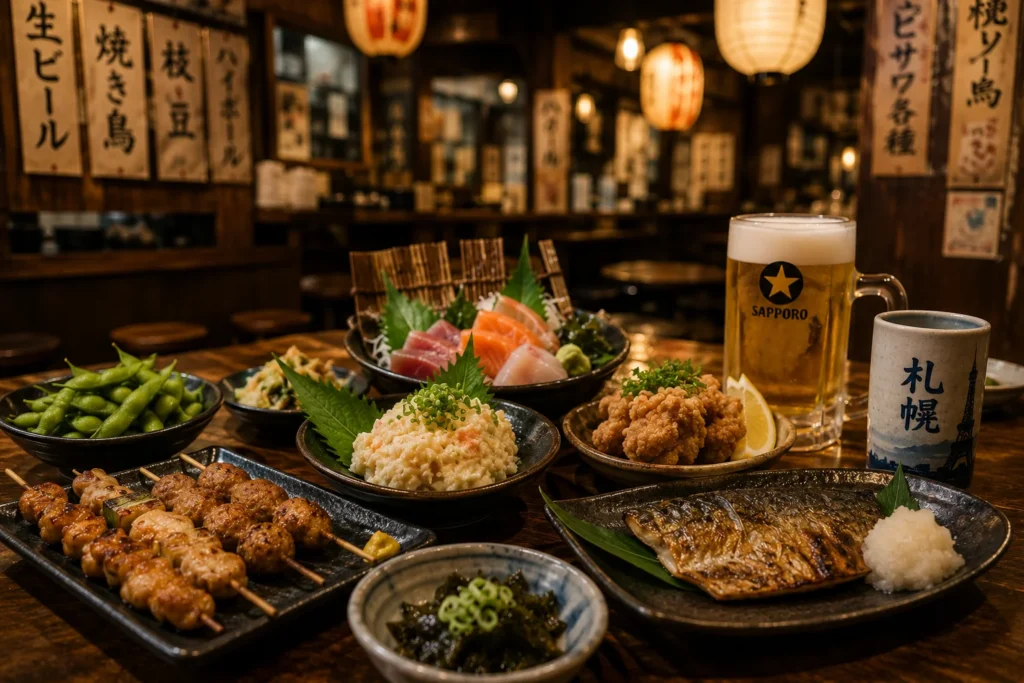
Some dining styles are particularly well suited to groups. Izakaya, for example, often feature numerous small dishes that can be ordered and shared among several people.
This allows diners to sample a wider range of flavors instead of ordering only one main dish. Grilled seafood, vegetables, meat, fried dishes, and regional specialties can all appear on the same table.
For couples and groups of friends, sharing several dishes can turn an ordinary dinner into a relaxed social experience.
Exploring Seasonal Dining Experiences
Seasonality is one of the most important concepts in Japanese cuisine. In Sapporo, the changing seasons influence both the ingredients available and the atmosphere surrounding a meal.
Winter Brings Comforting Flavors
Sapporo’s winters can be extremely cold, so warm and hearty dishes become particularly appealing. Ramen, soup curry, hot pots, grilled foods, and seasonal seafood can provide satisfying meals after spending time outdoors.
Winter also creates a distinctive dining atmosphere. After walking through snowy streets or visiting seasonal attractions, sitting down in a warm restaurant can become an important part of the travel experience itself.
Visitors traveling during this season may also encounter seafood and other ingredients associated with colder months.
Summer Highlights Fresh Produce and Seafood
Summer offers a different culinary experience. Hokkaido’s agricultural regions produce a variety of vegetables and other fresh ingredients, while seafood remains an important part of the local dining scene.
The warmer weather also makes it easier to combine meals with outdoor sightseeing. Travelers can spend the day exploring parks, markets, and neighborhoods before enjoying dinner in the evening.
Because the ingredients change with the seasons, travelers visiting Sapporo more than once may find that returning at a different time of year reveals a new side of its food culture.
Different Ways to Experience Dining in Sapporo
There is no single correct way to explore the city’s culinary scene. Mixing different dining environments can provide a much broader perspective.
Casual Neighborhood Restaurants
Small local restaurants can offer some of the most approachable dining experiences for travelers. These establishments may specialize in a particular dish or serve a more varied menu featuring local ingredients.
The atmosphere is often relaxed, making these restaurants suitable for travelers who want to enjoy a meal without the formality of a high-end dining room.
Trying several casual restaurants during a trip can also help visitors discover dishes and flavors that may not appear in standard tourist itineraries.
Izakaya After Sightseeing
An izakaya can be a great choice after a full day of exploring Sapporo. These establishments generally offer a wide selection of small dishes, making it easy to enjoy a relaxed meal with drinks.
The atmosphere can range from quiet and intimate to lively and social. Travelers can order gradually, try different dishes, and spend more time enjoying conversation rather than rushing through a meal.
For visitors interested in Japanese dining culture, an izakaya experience can be particularly rewarding because the format encourages interaction and sharing.
Refined Dining Experiences
Travelers celebrating a special occasion or simply looking for an elevated meal can explore more sophisticated dining environments. These restaurants often place greater emphasis on presentation, service, seasonal ingredients, and carefully structured menus.
A refined dining experience can demonstrate how chefs interpret Hokkaido’s ingredients through Japanese culinary techniques. Fresh seafood, local vegetables, premium meat, and seasonal specialties may all be incorporated into dishes designed around the time of year.
When looking for a memorable evening, selecting a well-regarded restaurant in sapporo can make dining an important highlight of the overall trip rather than simply another stop between attractions.
Planning a Dining-Focused Sapporo Itinerary
Travelers who want to make food a central part of their visit should avoid concentrating all their meals around one neighborhood or cuisine.
Combine Different Types of Meals
A balanced itinerary might include a casual breakfast, a seafood lunch, an afternoon dessert, and a more elaborate dinner. Another day could feature ramen for lunch followed by an izakaya experience in the evening.
This approach prevents the trip from becoming repetitive while allowing travelers to experience several sides of the city’s culinary identity.
Leave Room for Spontaneous Discoveries
Some of the best dining experiences happen when travelers leave a little flexibility in their schedule. A restaurant noticed while exploring a neighborhood or a seasonal dish displayed on a menu board may be worth trying even if it was not part of the original plan.
Learning about japanese dining culture before a trip can also help international visitors better understand the customs and traditions behind many of the dining experiences they encounter.
Dining for Couples and Special Occasions
Food can play an especially important role in romantic trips and celebrations. Sapporo provides plenty of opportunities to create a memorable evening without every experience needing to be formal.
Choose Atmosphere as Well as Food
For couples, the setting can be just as important as the menu. A quiet dining room, scenic view, intimate table, or carefully designed interior can make an ordinary meal feel more special.
Travelers celebrating an anniversary or another occasion may want to reserve a restaurant in advance and mention the occasion when booking.
Make Dinner Part of the Evening
Instead of treating dinner as the final activity of the day, couples can build an entire evening around the experience. A walk through the city, an evening view, and a carefully chosen meal can create a more memorable sequence than simply visiting a restaurant between other attractions.
This approach also allows travelers to slow down and appreciate Sapporo after dark.
Tips for Making the Most of Sapporo Dining
A few simple preparations can make culinary exploration easier, especially during busy travel periods.
Check Menus Before Visiting
Reviewing a restaurant’s menu beforehand can help travelers understand the style of food, approximate price range, and reservation requirements. This is particularly useful for restaurants offering specialized or seasonal menus.
Consider Reservations for Popular Dining Spots
Some restaurants have limited seating, while others become busy during weekends, holidays, and peak travel periods. Making a reservation in advance can reduce uncertainty and ensure that a particular dining experience fits into the itinerary.
Try Local Specialties Before Familiar Dishes
International restaurants are easy to find in major Japanese cities, but travelers visiting Sapporo should take the opportunity to try ingredients and dishes associated with Hokkaido.
Even if a dish seems unfamiliar, ordering a small portion or sharing it with another traveler can be an easy way to experiment.
Conclusion
Sapporo’s dining scene reflects the diversity of Hokkaido itself. Fresh seafood, agricultural products, seasonal ingredients, traditional Japanese cooking, and modern culinary creativity come together to create experiences that can be enjoyed in many different ways.
Rather than focusing only on famous dishes, travelers can make their visit more rewarding by exploring different dining environments. Casual restaurants, izakaya, seasonal menus, seafood-focused meals, and refined dining all offer different perspectives on the city’s culinary identity.
Ultimately, the most memorable Sapporo dining experiences are not necessarily the most expensive ones. They are the meals that connect travelers with the destination, whether through local ingredients, Japanese hospitality, a lively atmosphere, or simply the pleasure of discovering something new.
Frequently Asked Questions
What is Sapporo known for when it comes to dining?
Sapporo is known for its seafood, miso ramen, soup curry, Jingisukan, dairy products, and wide selection of Hokkaido ingredients. The city also has a diverse range of casual and refined dining experiences.
Is Sapporo good for a food-focused trip?
Yes. Sapporo is an excellent destination for travelers who enjoy food because it offers markets, casual restaurants, izakaya, seafood establishments, ramen shops, and sophisticated dining experiences.
What is the best way to experience Sapporo dining culture?
A combination of different dining styles is ideal. Travelers can visit a market, try local specialties, experience an izakaya, and enjoy a seasonal or refined dinner during the same trip.
Should I make restaurant reservations in Sapporo?
Reservations are recommended for popular restaurants, high-end dining establishments, and places with limited seating. Casual restaurants may not require advance booking.
Does Sapporo have seasonal food?
Yes. Seasonal ingredients are an important part of Japanese cuisine, and Sapporo’s menus change throughout the year depending on seafood, vegetables, meat, and other locally available ingredients.